Wellness Terms Everyone Should Know
If you’ve ever scrolled past words like “detox,” “mindfulness,” or “self-care” and nodded along without really knowing what they mean, you’re not alone. Wellness has its own language, and half the confusion around living healthier comes from simply not understanding the terms being thrown around.
At Lasena Steam Bath, we believe wellness should feel simple, not intimidating. So here’s a plain language guide to some of the most common wellness terms, and what they actually mean for your everyday life.
Neuro wellness
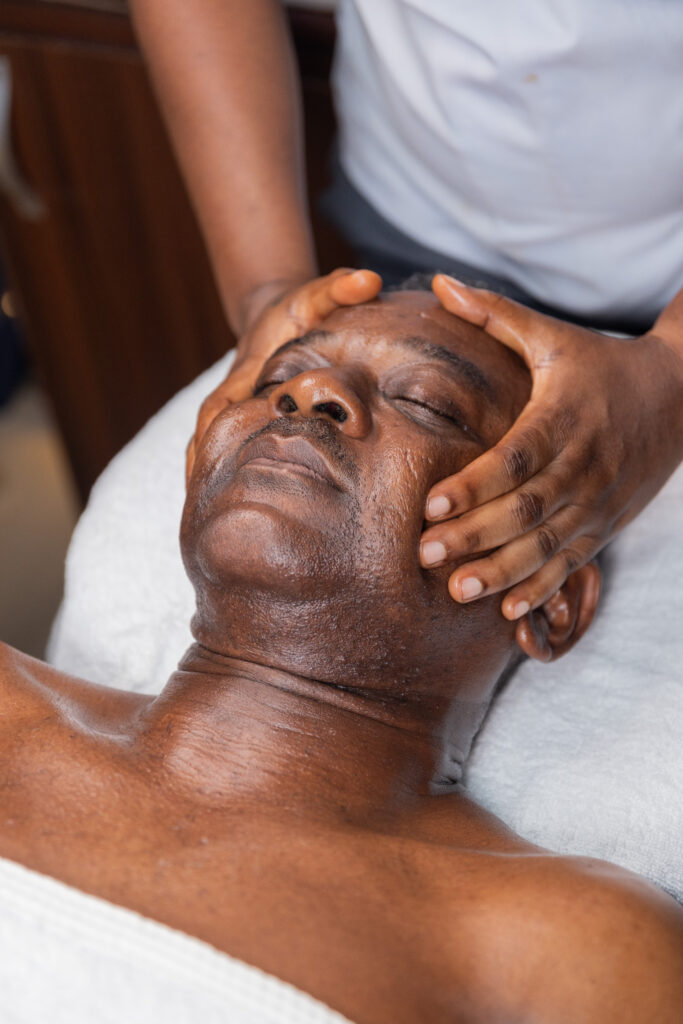
This is one of the biggest wellness terms of the moment. In simple terms, neuro wellness is about using tools and techniques to regulate your nervous system intentionally, rather than letting it run on stress autopilot. Steam and massage fall into this category. They physically shift your body from “fight” into “rest and relax” mode.
Detox
“Detox” gets used a lot, often to sell juices or teas that promise to flush out toxins overnight. In reality, your body already has a built-in detox system, your liver, kidneys, skin, and lungs work around the clock to filter out what you don’t need. What actually helps this process along is simple: drinking enough water, sweating (through movement or steam), eating whole foods, and getting enough sleep. Think of detox less as a quick fix and more as giving your organs the support they need to do their job well.
Mindfulness
Mindfulness simply means paying full attention to the present moment, without judging it or trying to rush past it. It doesn’t require sitting cross-legged for an hour. It can be as simple as noticing your breath while you’re stuck in Lagos traffic, or actually tasting your food instead of eating while scrolling on your phone. Mindfulness is a muscle. The more small moments you practice it in, the calmer you become.
Self-Care
Self-care isn’t a spa day you save up for once a year, it’s the small, consistent choices that protect your energy and health. Drinking water before your coffee. Saying no to a commitment that drains you. Booking a massage when your shoulders have been tight for weeks instead of waiting for a “good enough” reason. Self-care is maintenance, not indulgence.
Holistic Wellness
An older term, but still one of the most important. “Holistic” means treating the whole person, not just one symptom in isolation. A headache might be about more than your head, it could be dehydration, stress, poor sleep, or tension held in your neck and shoulders. Holistic wellness looks at how your physical, mental, and emotional health are all connected, and addresses the root rather than just the surface.
HRV (Heart Rate Variability)
You’ve probably seen this on a smartwatch. HRV measures the tiny variations in time between your heartbeats, and it’s one of the clearest signals of how well your nervous system is coping with stress. A higher HRV generally means your body is recovering well; a consistently low one is often a sign you need more rest, not more hustle.
Functional Nutrition
This term describes eating with a purpose beyond just “not being hungry.” Functional nutrition means choosing foods for the specific benefits they give your body, foods that support digestion, reduce inflammation, or steady your energy, rather than just filling you up. It’s less about restriction and more about eating with intention.
Movement Snacks
Not everyone has an hour to work out, and 2026’s wellness world has caught up to that. Movement snacks are short bursts of movement scattered through your day, a two-minute stretch between meetings, walking while on a call, a few squats while the kettle boils. They’re proof that consistency matters more than intensity.
Burnout
Burnout isn’t just being tired, it’s a state of chronic physical and emotional exhaustion caused by prolonged stress, often from work or constant responsibility. It shows up as fatigue that sleep doesn’t fix, irritability, and a sense of detachment from things you used to enjoy. Recognising burnout early, and actually resting instead of pushing through, is one of the most important wellness skills anyone can build.
Circadian Rhythm
This is your body’s internal 24-hour clock, the one that tells you when to feel awake and when to feel sleepy. It’s influenced by light, routine, and habits. A disrupted circadian rhythm (late nights, inconsistent sleep, too much screen time before bed) is often the hidden reason behind low energy, poor focus, and that “tired but wired” feeling so many Lagos professionals know too well.
Lymphatic Drainage
You’ll hear this term a lot around massages and steam therapy. Your lymphatic system is responsible for clearing waste and toxins from your tissues, but unlike your blood, it doesn’t have a pump, it relies on movement and external stimulation to keep flowing. Massage, steam, and gentle movement all help encourage lymphatic drainage, which is part of why you often feel lighter and less puffy after a good massage or steam session.
Why This Matters
Understanding these terms isn’t about sounding wellness-savvy. It’s about recognizing what your body is actually asking for, and knowing you have simple, real ways to respond, not just apps and trackers, but your breath, your body, and a few minutes of stillness.
Ready to Feel the Difference, Not Just Read About It?
Reading about these terms is one thing, Experiencing it is another.
This week, book a session at Lasena Steam Bath and notice it for yourself, the slower breath, the looser shoulders, the quiet mind.
Reach out to us to reserve your spot, and we’ll walk you through which experience fits what your body is asking for right now.